

A four-sided rhythm—inhale, hold, exhale, hold—used to steady attention and give your nervous system a predictable map.
Box breathing divides one cycle into four equal phases. A common starting ratio is four seconds inhale, four hold, four exhale, four hold. Visualize tracing a square: up the left side (inhale), across the top (hold), down the right (exhale), across the bottom (hold). The symmetry makes it easy to teach and self-coach without apps.
Performance coaches and pilots have used similar patterns to maintain composure under load. For daily life in the Netherlands—cycling in traffic, presenting to a client, or parenting through a hectic evening—the square gives you something neutral to follow when words fail.
Start with three to four cycles, then build to five minutes if it feels smooth. Keep the belly soft; avoid rigid locking of the throat during holds.
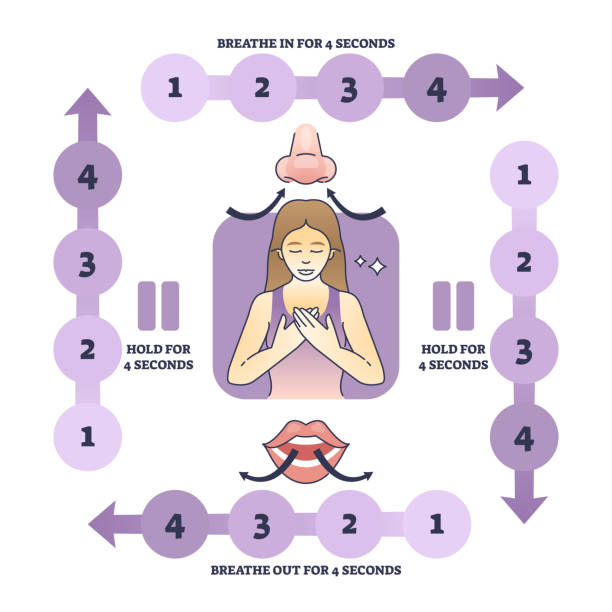
If four counts feels long, use three. If you are experienced and symptom-free, try five—never push into dizziness. A metronome at 60 BPM can click each second.
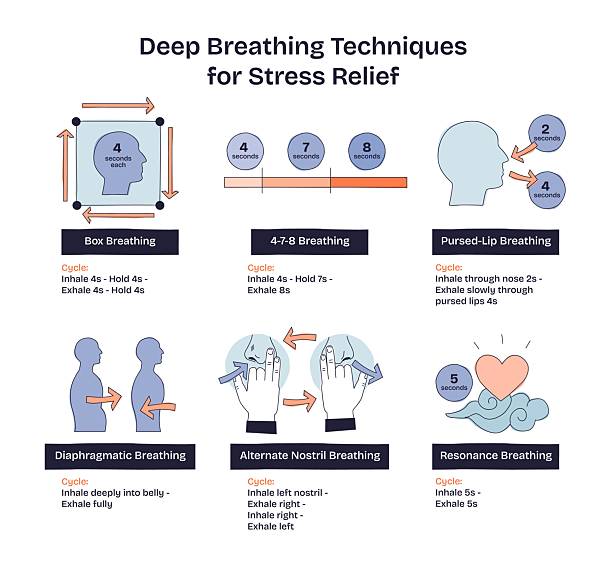
Equal phases create steady CO₂ tolerance over time. Short holds after inhale and exhale train comfort with stillness, which many people lack during anxious spikes. Heart rate often drifts down slightly by the third minute as parasympathetic tone increases.
Sympathetic arousal—racing thoughts, finger tapping—may soften when the brain receives repetitive interoceptive signals. You are not shutting emotion off; you are widening the gap between stimulus and reaction so choices feel available again.
Notice jaw and brow changes. If they remain tight, shorten holds or drop to a 3-3-3-3 pattern for a week before progressing.
Skip long holds if you are pregnant, have uncontrolled hypertension, glaucoma, or panic triggered by breath control. Return to normal breathing immediately if tingling escalates. Children can trace a square with a finger instead of long holds.
This guide is free educational material only. For personal limits, ask a qualified healthcare professional in the Netherlands. We do not promise specific health outcomes from box breathing.